

The History of EELCO: Els Lohn & American Hot Rod Speed Equipment
The story of EELCO Speed Equipment remains a fascinating chapter in the history of American hot rodding. Founded in the early 1950s, EELCO became a trusted name for performance parts, innovative fuel systems, and racing hardware. At the heart of the company stood Els Lohn, a racer, inventor, and industry leader whose influence extended far beyond his own brand.
Origins of EELCO and Els Lohn’s Vision
Els Lohn established the E.E. Lohn Co. in 1953, better known to the racing world simply as EELCO. Starting with practical hardware sourced from surplus military fittings and machinery, the company quickly evolved into a respected manufacturer of speed and racing parts that prioritized function and quality over style.
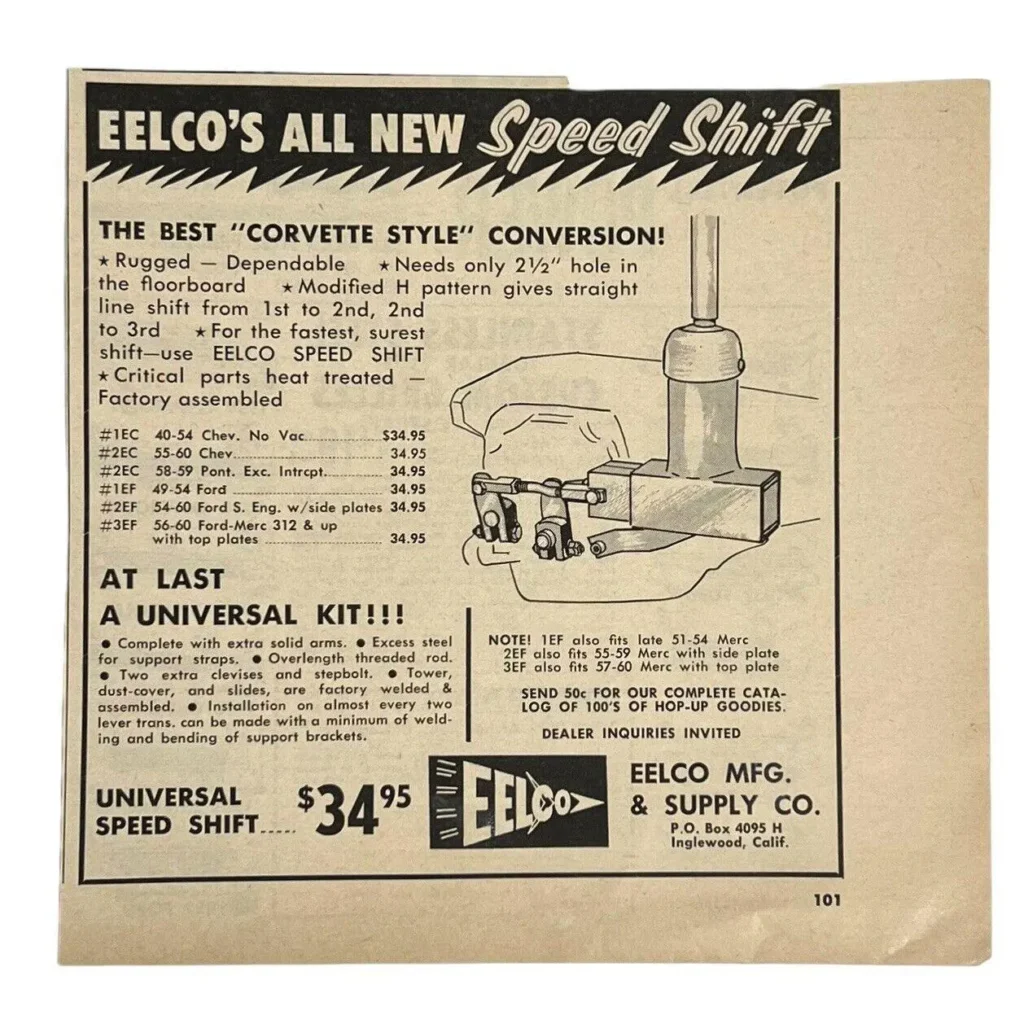
EELCO’s early catalogs embodied this ethos with slogans like “fittings that fit, linkage that links” — a straightforward promise that resonated with racers and builders. EELCO also produced race-specific fuel tanks, pressure pumps, and control panels, many of which rivaled the popular components offered by other makers of the era. :contentReference[oaicite:0]{index=0}
Racing Success and the Bonneville Salt Flats
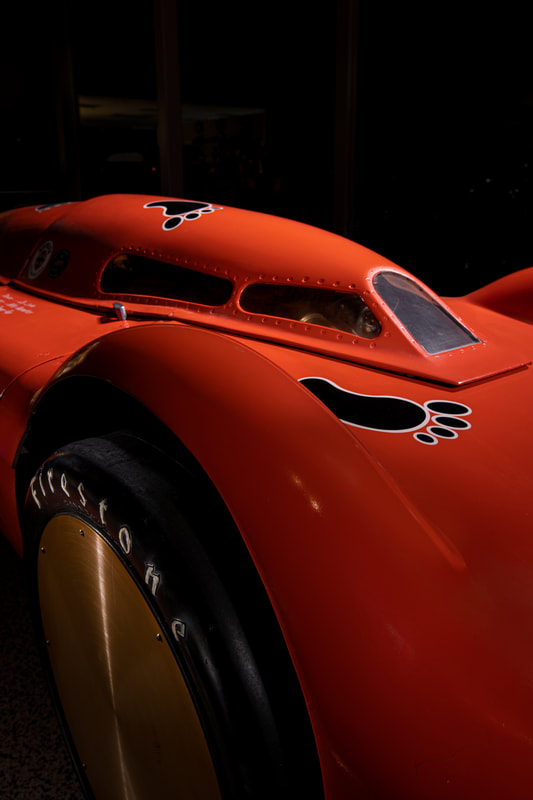
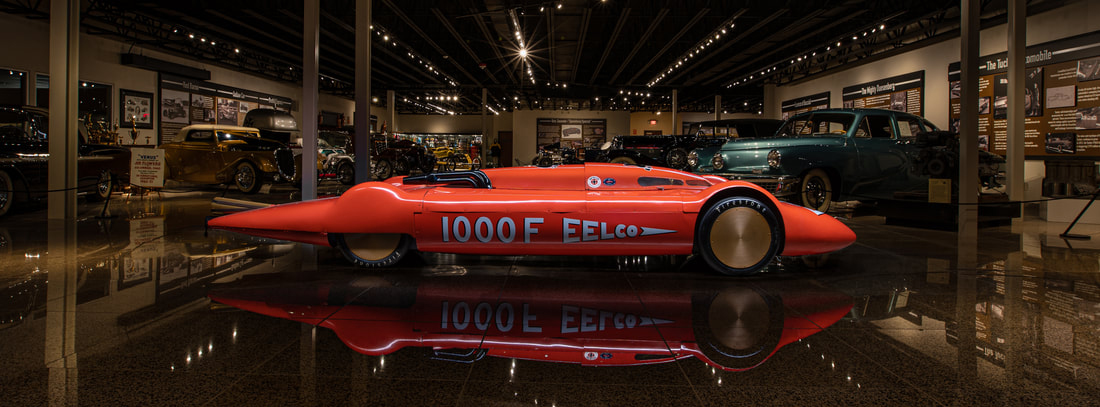
Lohn didn’t just manufacture parts — he raced them. He campaigned streamlined vehicles at the Bonneville Salt Flats, including the famous “Wee Eel” streamliner. These record-setting vehicles pushed the boundaries of engineering and gave Lohn firsthand insight into what racers needed from performance equipment. :contentReference[oaicite:1]{index=1}
SEMA Founding and Industry Leadership
Els Lohn was one of the early members of the organization that evolved into the SEMA Hall of Fame. Originally founded as the “Speed Equipment Manufacturers Association” in 1963, the group united builders, parts makers, and aftermarket innovators across the country. EELCO stood alongside other founding names like SEMA charter brands such as Moon Equipment, Isky Cams, Edelbrock, and Cragar. :contentReference[oaicite:2]{index=2}
Lohn went on to become an early president and a long-time board member of SEMA, actively shaping the industry and advocating for the interests of hot rodders and performance manufacturers. In 1985, he earned one of the highest honors in the automotive aftermarket with his induction into the SEMA Hall of Fame. :contentReference[oaicite:3]{index=3}
Growth, Expansion, and Partnerships
Through the 1960s and 1970s, EELCO branched into specialized markets, including parts for Corvair, VW, and dune buggy applications. Lohn also acquired several associated businesses, including a stake in Ansen Enterprises, which extended EELCO’s reach into flathead four-cylinder performance gear — a segment often referred to as “banger” racing. :contentReference[oaicite:4]{index=4}
The company even ventured into novel accessories and specialty gear. One such example was an under-seat pistol storage design, offering racers a quick-access option — a piece of hot rod lore that reflects how EELCO catered to enthusiast culture as much as competition hardware. :contentReference[oaicite:5]{index=5}
Corporate Changes and Legacy
EELCO’s ownership changed several times across the decades. In the late 1970s, the company joined other speed-equipment brands under the ownership of Filter Dynamics Inc. (FDI). When that venture faltered, Lohn regained control of EELCO at a fraction of its earlier valuation, preserving the original spirit of the business. :contentReference[oaicite:6]{index=6}
After Lohn’s death in 2000, later owners continued producing parts under the EELCO name. Many of these parts — including reproduction pieces and updated castings — serve the vintage market but differ significantly from original EELCO components. Enthusiasts and collectors remain discerning about vintage versus reproduction items and their authenticity and design lineage.
EELCO in Context: A Golden Era of Performance Parts
The mid-20th century saw American hot rodding transform from garage tinkering into a thriving aftermarket industry. Many pioneering companies that formed the early backbone of performance culture — like EELCO, Moon Equipment Co., and others — emerged from a need for innovation on the track and the salt flats. The legacy of those companies continues to define the racing community and inspires enthusiasts today. :contentReference[oaicite:7]{index=7}
Conclusion
From a humble start as a parts supplier built on surplus components to becoming a respected manufacturer and industry leader, EELCO represents the raw ingenuity of American automotive culture. Els Lohn’s contributions to racing, aftermarket manufacturing, and community leadership through organizations like SEMA continue to influence enthusiasts and professionals alike. Whether you’re a collector, builder, or history buff, the story of EELCO offers insight into how passion became performance legacy.


Leave a Reply
Your email is safe with us.